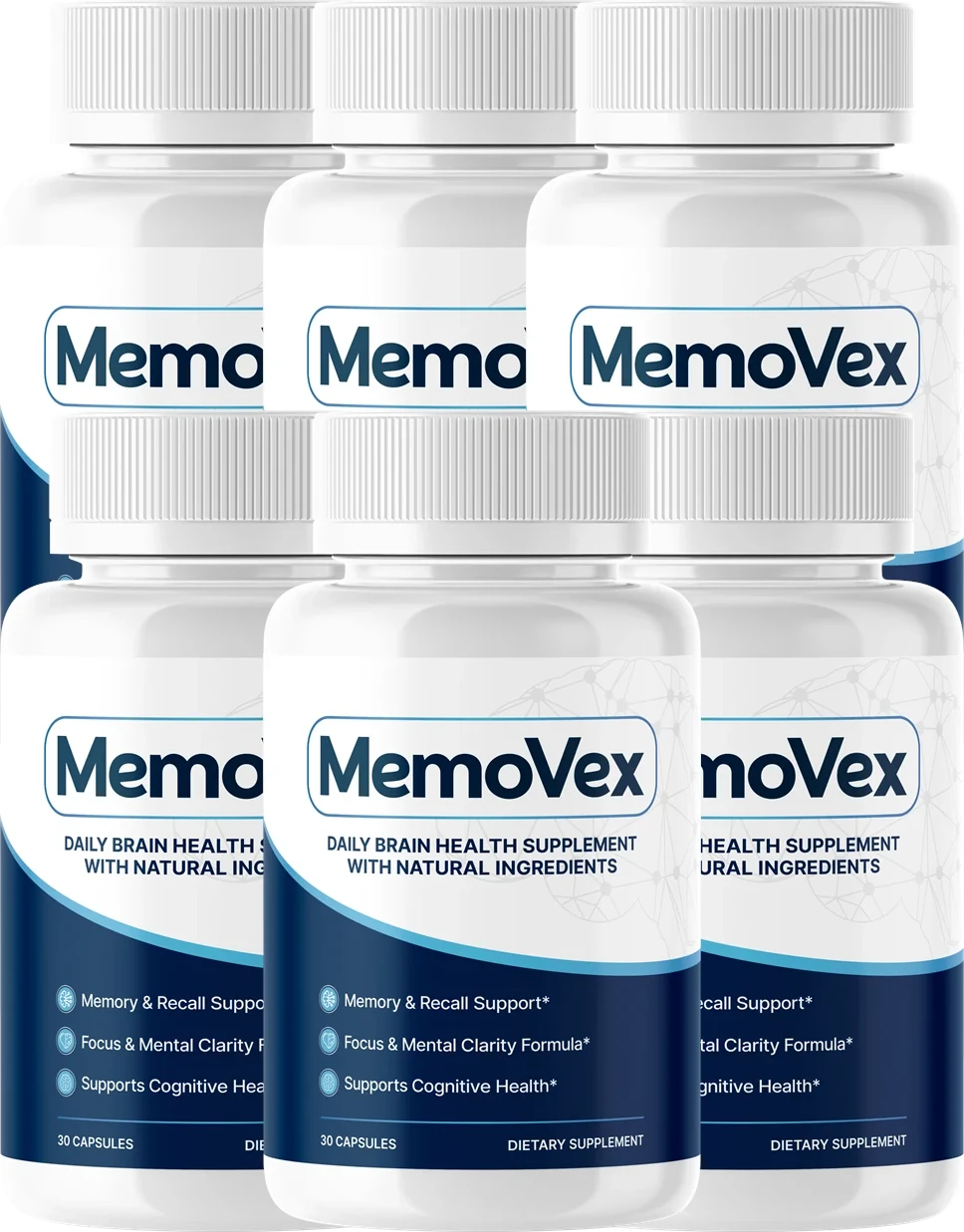
Phosphatidylserine & Huperzine A, Explained
Phosphatidylserine and Huperzine A round out MemoVex's four-ingredient formula, addressing brain cell structure and neurotransmitter activity respectively.
Understanding what each is scientifically connected to helps complete the picture of how the formula is positioned to work.
Phosphatidylserine
Phosphatidylserine is a phospholipid and a natural structural component of brain cell membranes. Research on phosphatidylserine and cognitive function in older adults is indexed on PubMed, with some studies suggesting a connection to memory and learning, particularly in age-related cognitive decline.
Huperzine A
Huperzine A is a compound derived from Chinese club moss (Huperzia serrata), studied for its role in supporting acetylcholine activity — a neurotransmitter closely tied to memory function. Research is available on PubMed, including some interest in its connection to Alzheimer's-related research, though it is not itself an approved treatment for any diagnosed condition.
Applying this to MemoVex
Phosphatidylserine and Huperzine A are two of the four ingredients in MemoVex's formula, each connected to a genuine area of memory-related research, though neither carries a stated dose on the brand's public pages.