Nootropics vs. Stimulants: What's The Difference?
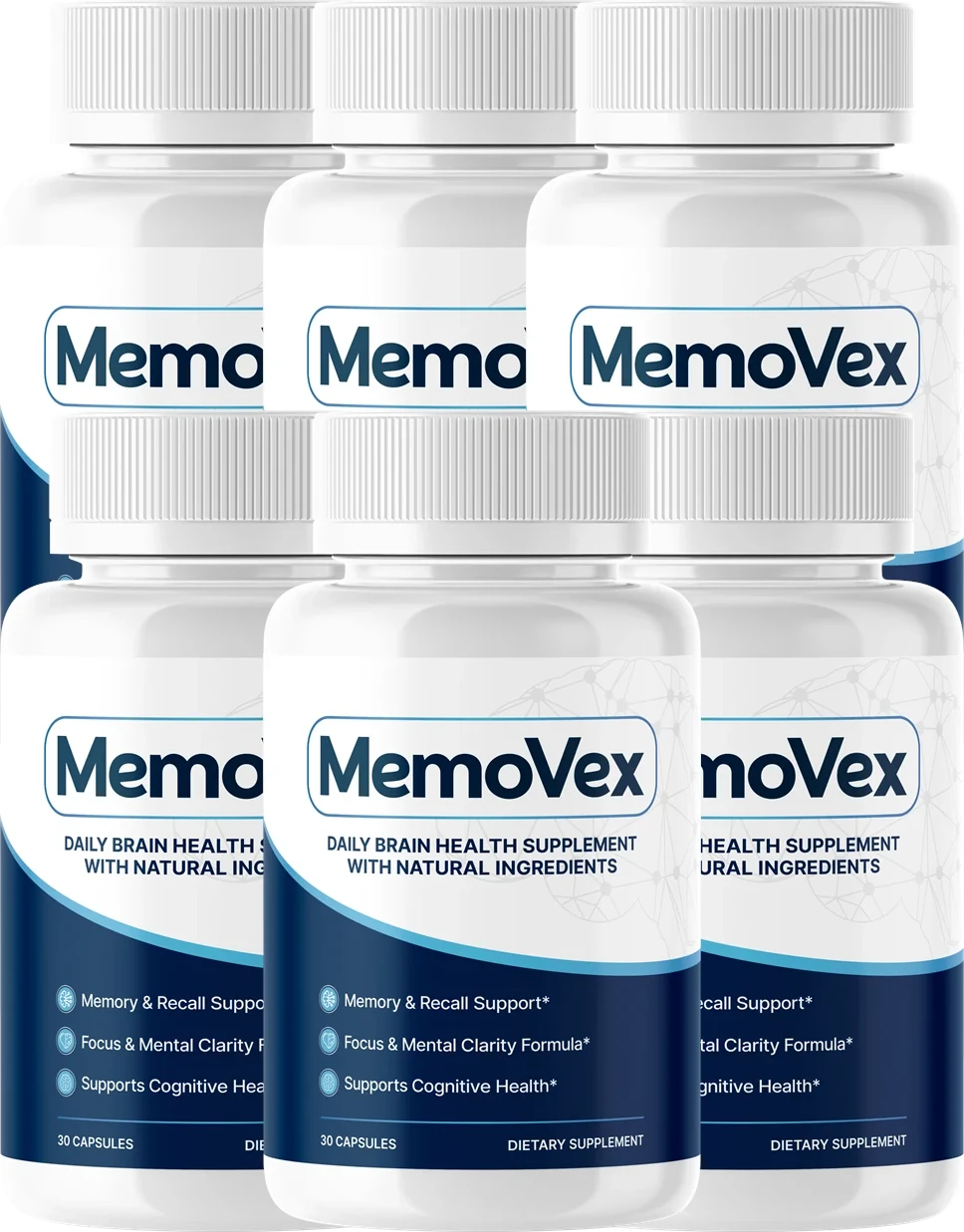
MemoVex is formulated without caffeine or other stimulants, which sets it apart from many focus and energy products that rely on a stimulant base.
Understanding the difference between a nootropic and a stimulant helps explain why MemoVex works, and feels, differently than a caffeine-based product.
What a stimulant does
Stimulants like caffeine work by directly increasing alertness and energy, typically producing a noticeable, relatively fast effect — along with a possible later crash, tolerance buildup, and sleep disruption if used later in the day.
What a nootropic like Bacopa or Ginkgo does instead
Traditional nootropic botanicals are generally understood to work more gradually, over weeks of consistent use, by supporting underlying processes like circulation, cell-membrane health or neurotransmitter activity rather than providing an immediate stimulant jolt.
The trade-off
A stimulant-free approach means no jitters, no crash and no concern about late-day use disrupting sleep — but it also means you should not expect an immediate, noticeable energy spike the way you would from a caffeinated product. Results, if any, tend to build gradually.
Applying this to MemoVex
MemoVex's four ingredients — Bacopa Monnieri, Ginkgo Biloba, Phosphatidylserine and Huperzine A — are all in the traditional-nootropic category rather than the stimulant category, consistent with a gradual, daily-use approach.